Skeletal Muscle Mass and Its Role in Resting Energy Expenditure
Fat-Free Mass as the Primary Determinant of BMR
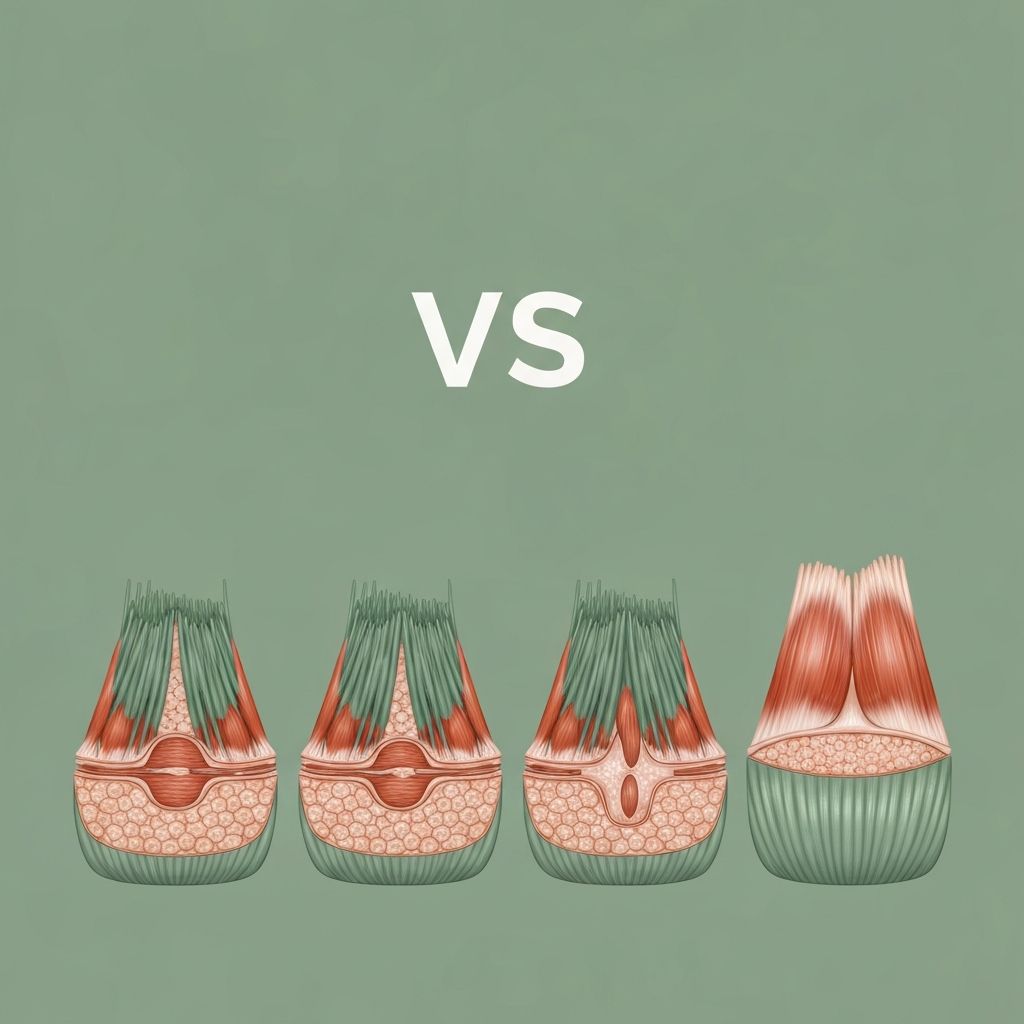
Resting metabolic rate correlates most strongly with fat-free mass (FFM)—the combined mass of muscle tissue, bone, organs, and body water. Regression analyses across diverse populations demonstrate that FFM explains approximately 70 to 80 percent of the variance in BMR among individuals. Skeletal muscle tissue, the largest metabolically active component of FFM, is the primary driver of resting energy expenditure.
Cross-sectional and longitudinal studies consistently show that individuals with greater muscle mass maintain higher resting metabolic rates, independent of age. This relationship holds across genders and across the adult lifespan.
Sarcopenia: Progressive Muscle Loss
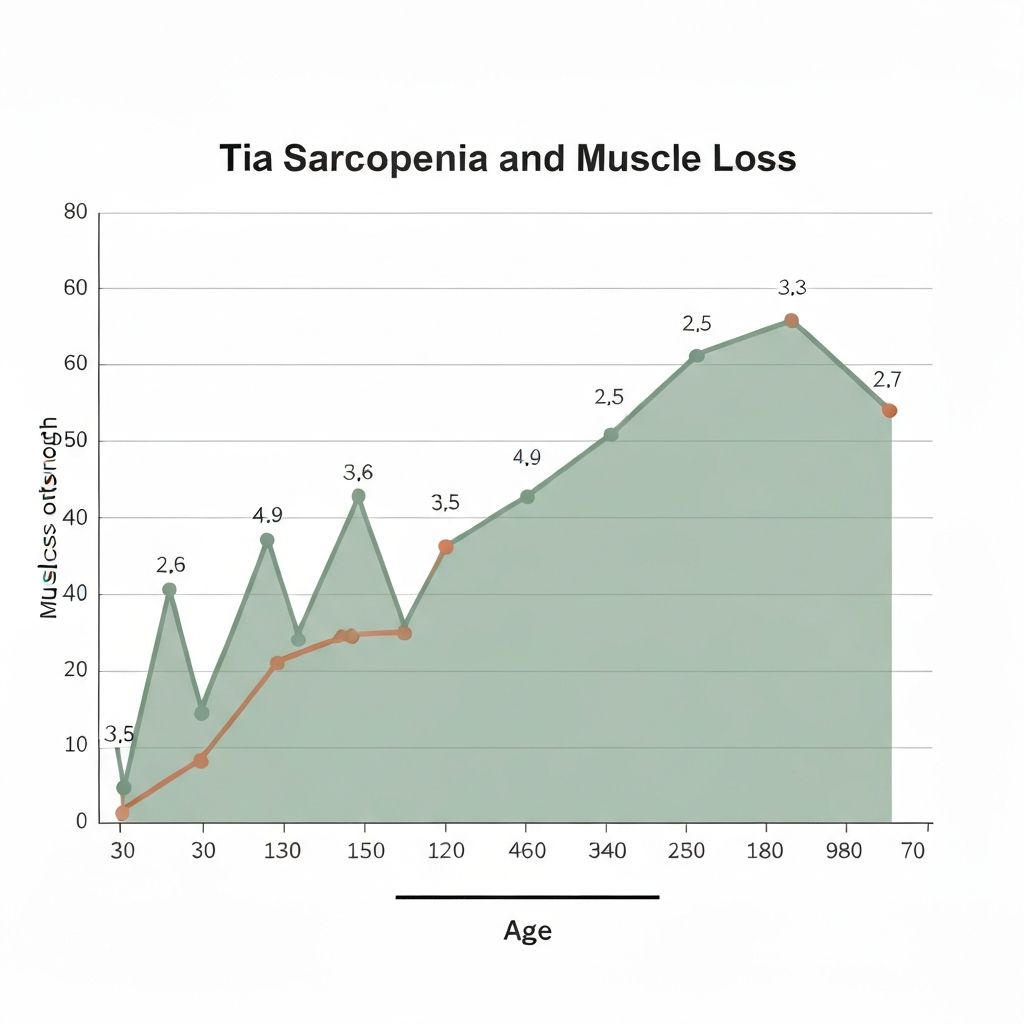
Sarcopenia—age-related decline in skeletal muscle mass—begins approximately around age 30 and accelerates after age 50. Longitudinal studies document average annual muscle loss of 0.5 to 1.0 percent per year between ages 30 and 60, with steeper declines after 65 in many populations.
By age 70, the average person has lost approximately 20 to 30 percent of peak muscle mass achieved in early adulthood. This progressive loss results from reduced protein synthesis capacity, increased protein catabolism, motor neurone denervation, and reductions in growth hormone and testosterone signalling.
Mechanisms of Age-Related Muscle Decline
Research identifies multiple biological mechanisms contributing to sarcopenia. Cellular studies show reduced mitochondrial function in ageing muscle, impaired activation of protein synthesis pathways, and increased oxidative stress. Hormonal analyses document age-related reductions in anabolic signals including insulin-like growth factor 1 (IGF-1) and declining growth hormone secretion.
Additionally, reduced physical activity—particularly absence of resistance exercise—accelerates sarcopenia. Physical inactivity compounds hormonal changes in driving muscle loss in midlife.
Relationship Between Muscle Loss and BMR Decline
The decline in basal metabolic rate observed across adult life correlates closely with progressive muscle loss. Studies in which FFM is measured precisely show that when muscle mass remains stable, BMR remains relatively stable independent of advancing age. Conversely, individuals experiencing accelerated muscle loss show proportionally steeper BMR declines.
Quantitatively, loss of 1 kg of muscle tissue correlates approximately with a 5 to 10 kcal per day reduction in resting metabolic rate, depending on muscle fibre composition and metabolic activity.
Heterogeneity in Sarcopenic Trajectory
Individual variation in muscle loss is substantial. Some adults maintain relatively stable muscle mass into their 60s and 70s, while others experience accelerated decline beginning in their 40s. Genetic factors, early-life physical conditioning, occupational demands, and resistance exercise participation predict individual trajectories of muscle loss.
Population-Level Patterns
Population studies reveal that sedentary individuals show steeper muscle loss than active individuals. Similarly, occupational patterns—physically demanding work versus sedentary employment—correlate with divergent sarcopenic trajectories. Longitudinal analysis indicates that cumulative physical activity over decades predicts muscle mass preservation in older age.